

Kelvin MacKenzie is one of the most recognizable and controversial figures in modern British journalism. Best known for his years as editor of The Sun, MacKenzie played a major role in shaping the tabloid newspaper industry in the United Kingdom during the 1980s and early 1990s. His bold editorial style, sensational headlines, and willingness to take strong political positions made him both influential and widely criticized.
For decades, Kelvin MacKenzie has remained a prominent voice in British media, appearing as a columnist, broadcaster, and commentator. From his early days as a young reporter to becoming one of the most powerful editors in Britain, his career tells an important story about the transformation of journalism and media culture.
This article explores who Kelvin MacKenzie is, his age, early life, career at The Sun, personal life, wife and children, the Hillsborough controversy, net worth, and his continuing presence in public debate.
Who Is Kelvin MacKenzie?
Kelvin Calder MacKenzie is a British journalist, media executive, and former newspaper editor. He became widely known for serving as the editor of The Sun, the UK’s most widely read tabloid newspaper, from 1981 to 1994.
During his tenure, the newspaper reached record circulation numbers and became a powerful force in British politics and popular culture. MacKenzie’s leadership helped define the aggressive tabloid style associated with British newspapers in the late twentieth century.
Many observers describe MacKenzie as a bold and outspoken editor who believed newspapers should entertain, shock, and influence public opinion. His headlines often attracted massive attention and sometimes sparked major public controversy.
Although his time at The Sun ended in the mid-1990s, MacKenzie has remained active in journalism as a columnist and media commentator.
Kelvin MacKenzie Age and Early Life
Kelvin MacKenzie was born on 22 October 1946 in Thanet, Kent, England. As of 2026, he is 79 years old.
MacKenzie grew up in a working-class family and developed an interest in journalism early in life. Unlike many media figures who entered the profession through university journalism programs, MacKenzie began his career directly in newspapers.
His early professional years included roles at regional newspapers where he learned the basics of reporting, editing, and newsroom management. Those formative years helped shape his direct and sometimes confrontational approach to journalism.
Even as a young reporter, colleagues described him as ambitious and energetic, determined to rise through the ranks of the newspaper industry.
Kelvin MacKenzie Young: Early Journalism Career
When Kelvin MacKenzie was young, he began his journalism career working for several newspapers in the UK.
His early roles included positions at:
- The Daily Mirror
- The Daily Express
- Various regional publications
MacKenzie quickly gained a reputation for being a fast and decisive editor. His ability to produce dramatic headlines and manage high-pressure newsroom environments attracted attention from major media executives.
One of the most important figures in MacKenzie’s career was media mogul Rupert Murdoch. Murdoch recognized MacKenzie’s talent for tabloid journalism and appointed him editor of The Sun in 1981.
This appointment would transform both MacKenzie’s career and the British newspaper industry.
Kelvin MacKenzie and The Sun
MacKenzie’s time at The Sun is the defining chapter of his career.
When he became editor in 1981, the newspaper was already popular, but under his leadership it reached unprecedented circulation levels.
At its peak during the 1980s, The Sun sold more than 4 million copies per day, making it the most widely read newspaper in Britain.
MacKenzie introduced several editorial strategies that defined the newspaper’s style:
Bold Headlines
MacKenzie believed that headlines should immediately capture attention. The paper became known for its large, dramatic front pages.
Celebrity and Entertainment Coverage
Stories about celebrities, scandals, and pop culture became a central part of the newspaper’s appeal.
Political Influence
The Sun frequently supported conservative political positions and sometimes openly campaigned during elections.
Tabloid Journalism Style
MacKenzie’s editorial philosophy emphasized simplicity, humor, and emotional storytelling.
These techniques helped make The Sun one of the most influential newspapers in Europe.
Kelvin MacKenzie and the Hillsborough Controversy
One of the most controversial events associated with Kelvin MacKenzie’s career was the newspaper’s coverage of the Hillsborough disaster in 1989.
The tragedy occurred during a football match in Sheffield when overcrowding led to the deaths of 97 Liverpool football fans.
Shortly after the disaster, The Sun published a front-page headline titled “The Truth.”
The article made serious allegations about the behavior of Liverpool supporters, claiming that some fans had stolen from victims and attacked emergency workers.
These claims were later proven to be false.
The coverage caused widespread outrage across the United Kingdom, particularly in Liverpool, where the newspaper faced a long-lasting boycott. For many people, the story remains one of the most infamous moments in British newspaper history.
Years later, both the newspaper and MacKenzie issued apologies for the coverage. However, the controversy continues to shape public perceptions of his career.
Kelvin MacKenzie Net Worth
Estimating Kelvin MacKenzie’s net worth can be difficult because much of his income came from private contracts and media positions.
However, various financial and media reports estimate that his net worth is roughly between $5 million and $10 million.
His wealth comes from several sources, including:
- Salary as editor of The Sun
- Media executive roles
- Television projects
- Newspaper columns
- Public speaking and commentary
After leaving The Sun, MacKenzie remained active in the media industry, contributing to his financial stability over the years.
Kelvin MacKenzie Wife and Personal Life
Kelvin MacKenzie has been married twice.
Jacqueline Holland (1968–2006)
His first wife was Jacqueline Holland, whom he married in 1968. The marriage lasted for several decades until it ended in 2006.
Sarah McLean (2008–Present)
In 2008, MacKenzie married Sarah McLean, a journalist and broadcaster. She has worked in television and media and occasionally appears alongside MacKenzie at public events.
The couple has maintained a relatively private personal life despite MacKenzie’s public career.
Kelvin MacKenzie Children
Kelvin MacKenzie has three children.
One of his known children is:
Ashley MacKenzie
Unlike their father, MacKenzie’s children generally stay away from public media attention and live largely private lives.
Because of this, detailed information about his family is rarely discussed in the press.
Where Does Kelvin MacKenzie Live?
Kelvin MacKenzie is believed to live in London or nearby areas in England.
Although his exact residence is not publicly disclosed for privacy reasons, most reports suggest he spends much of his time in the London region where many media organizations and broadcasting studios are located.
London remains the center of British journalism, making it a natural base for media commentators like MacKenzie.
Kelvin MacKenzie After The Sun
After leaving his role as editor in 1994, MacKenzie continued working in the media industry.
Some of his later activities included:
- Working with television networks
- Appearing as a political commentator
- Writing opinion columns for newspapers
- Launching media projects
One notable project was L!VE TV, a satellite television channel launched in the 1990s. The channel experimented with unconventional programming and became a memorable part of British media culture.
Although the channel eventually closed, it demonstrated MacKenzie’s willingness to experiment with new forms of media.
Kelvin MacKenzie and Modern Media Debate
Even decades after his editorial career peaked, MacKenzie remains an outspoken commentator on politics and media.
He frequently shares strong opinions about:
- British politics
- Freedom of speech
- Media ethics
- Cultural issues
His comments often generate debate and criticism, reflecting the polarizing style that has characterized much of his career.
Supporters argue that MacKenzie represents a fearless voice in journalism, while critics say his approach contributed to sensationalism in the press.
Matt Goodwin and Media Commentary
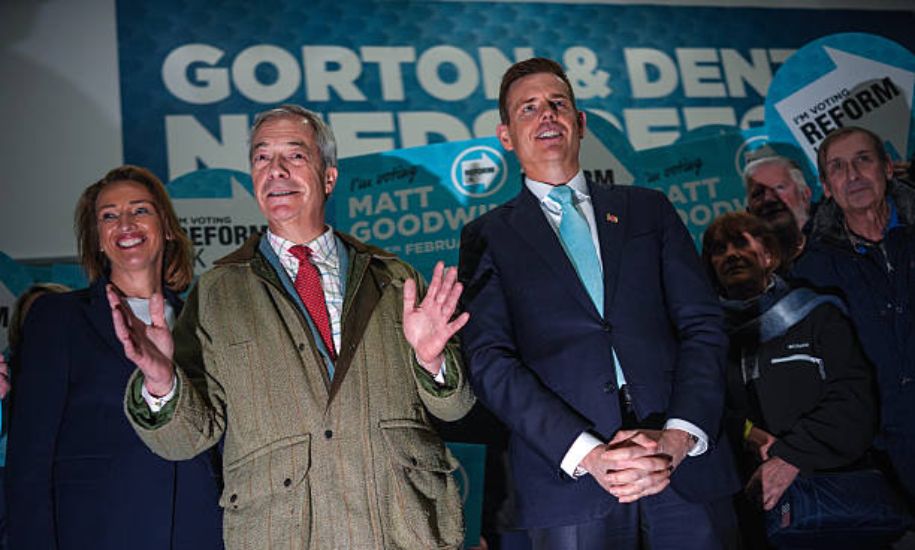
In discussions about British media and politics, another well-known figure is Matt Goodwin.
Matt Goodwin is a British political scientist and commentator who studies political movements, populism, and public opinion in the United Kingdom.
Goodwin has written extensively about political change in Britain and often appears in newspapers, television programs, and academic discussions.
Although Goodwin works primarily in academia rather than tabloid journalism, his research frequently intersects with media debates about politics and public opinion.
The presence of commentators like Goodwin reflects the ongoing influence of media figures such as Kelvin MacKenzie on the broader discussion about journalism, politics, and society.
The Legacy of Kelvin MacKenzie
Kelvin MacKenzie remains one of the most influential editors in modern British tabloid history.
His legacy is complex.
On one hand, he transformed The Sun into the most powerful newspaper in the UK, shaping tabloid journalism and influencing political campaigns.
On the other hand, controversies such as the Hillsborough coverage continue to spark criticism and debate about media responsibility.
Regardless of where people stand on his legacy, MacKenzie’s impact on journalism cannot be ignored.
His career illustrates the enormous power newspapers can have in shaping public opinion and political narratives.
Final Thoughts
Kelvin MacKenzie’s life and career represent a significant chapter in British media history. From his early days as a young reporter to his powerful role as editor of The Sun, he helped redefine how tabloids operate and how headlines can influence public debate.
While his career has included major successes and serious controversies, his influence on journalism remains undeniable.
Today, discussions about media ethics, sensational headlines, and political influence often refer back to figures like MacKenzie who shaped the modern tabloid era.
For readers interested in media history, politics, and journalism, the story of Kelvin MacKenzie continues to be an important and fascinating subject — one that reflects the evolving relationship between newspapers, power, and public opinion.
For more media analysis, journalism stories, and global news commentary, readers can explore similar articles on the English blog News Flux, where current affairs and media topics are discussed in depth.
