

In today’s fast-moving financial world, clear and trustworthy voices are essential for helping the public understand markets, inflation, interest rates, and global economic change. One of the most recognisable figures in modern British financial commentary is Susannah Streeter — a journalist, broadcaster, and investment strategist known for translating complex economic news into clear language. From her years at the BBC to her leadership role at Hargreaves Lansdown, Streeter has built a reputation as a respected voice on money and markets.
This detailed article explores who Susannah Streeter is, her age and background, career highlights, role at Hargreaves Lansdown, personal life, and her place among other influential economists and commentators such as DeAnne Julius, Linda Yueh, Kamal Ahmed, and John Gieve.
Who Is Susannah Streeter?
Susannah Streeter is a British financial journalist and investment commentator widely known for her analysis of global markets and economic policy. She gained prominence during her long career at the BBC, where she presented business programmes and covered major economic stories for international audiences.
Her strength lies in explaining complicated financial developments in ways that everyday investors can understand. Over the years, she has become a regular face on television and radio, offering insight into stock market movements, corporate news, inflation trends, and central bank decisions.
Beyond journalism, she has also held senior roles within the financial industry, bridging the gap between media analysis and professional investment strategy.
Susannah Streeter Age and Early Life
Many readers searching for “Susannah Streeter age” or “Susannah Streeter born” want to understand the background behind her experience. She was born in May 1973 in England, which places her in her early fifties as of recent years.
Her education combined language studies with politics and economics, giving her a strong foundation for international reporting. Before becoming a well-known financial commentator, Streeter developed her skills through journalism training and early reporting roles, gradually moving toward business and economic coverage.
This academic and professional blend helped shape her ability to explain financial news with both analytical depth and storytelling clarity.
BBC Career and Rise in Financial Journalism
Streeter spent nearly two decades working with the BBC, where she became associated with trusted business journalism. During this period, she presented programmes that covered global markets, trade developments, and economic policy debates.
Her reporting coincided with major world events, including financial crises, Brexit negotiations, and shifts in global trade. Through television broadcasts and radio interviews, she became a familiar voice guiding viewers through complex financial headlines.
Her style focused on accessibility. Instead of using heavy technical language, she translated economic jargon into practical insights, which made her commentary appealing to both professional investors and everyday audiences.
The BBC years helped establish her credibility and visibility, opening doors to leadership positions within the financial services sector.
Susannah Streeter and Hargreaves Lansdown
One of the most frequently searched phrases online is “Susannah Streeter Hargreaves Lansdown.” She served as Head of Money and Markets at the UK investment platform Hargreaves Lansdown, a role that placed her at the centre of retail investment commentary.
In this position, Streeter analysed financial markets and communicated insights directly to investors. Her work included:
- Breaking down central bank interest-rate decisions
- Explaining stock market volatility
- Discussing corporate earnings and economic forecasts
- Helping individuals understand long-term investment strategies
The role highlighted her transition from journalist to financial strategist. Instead of only reporting the news, she became actively involved in interpreting market movements for clients and the wider public.
Her commentary frequently appeared in newspapers and financial media, reinforcing her reputation as one of the UK’s most visible market analysts.
Personal Life and Susannah Streeter Husband
Another common online search relates to “Susannah Streeter husband.” While she maintains a relatively private personal life, it is known that she is married to Paul Streeter and is a mother of three children. She has balanced family life with a demanding career in broadcasting and finance, which has often been mentioned as an example of leadership within media and business.
Outside journalism, she has also served in the Royal Air Force Reserves, reaching a senior rank — a unique aspect of her background that reflects discipline and leadership beyond the media world.
Transition Into Investment Strategy
After leaving the BBC, Streeter expanded her career into strategic roles within investment organisations. Her work as an investment strategist has involved guiding clients through economic uncertainty, particularly during periods of rising inflation and changing global trade dynamics.
Her approach focuses on long-term financial education rather than short-term market speculation. She frequently discusses diversification, sustainable investing, and the importance of understanding economic cycles.
This transition shows how modern financial commentators are increasingly blending journalism with professional advisory roles, offering both insight and strategy.
Influence Among Economic Commentators
Susannah Streeter is often mentioned alongside economists, journalists, and policymakers who shape public understanding of finance. While each has a different professional background, their work collectively influences how economic news reaches the public.
DeAnne Julius
DeAnne Julius is a highly respected economist known for her role on the Bank of England’s Monetary Policy Committee. Her work focuses on international economics and monetary policy, providing an academic and policy-driven perspective on financial markets. Figures like Julius represent the policymaking side of economic analysis, complementing the media commentary offered by journalists such as Streeter.
Linda Yueh

Linda Yueh combines academic economics with broadcasting and writing. As an economist and author, she explains global economic history and policy decisions in a way that connects research with real-world events. Like Streeter, Yueh has a strong media presence, helping audiences understand how economic theories translate into everyday financial outcomes.
Kamal Ahmed
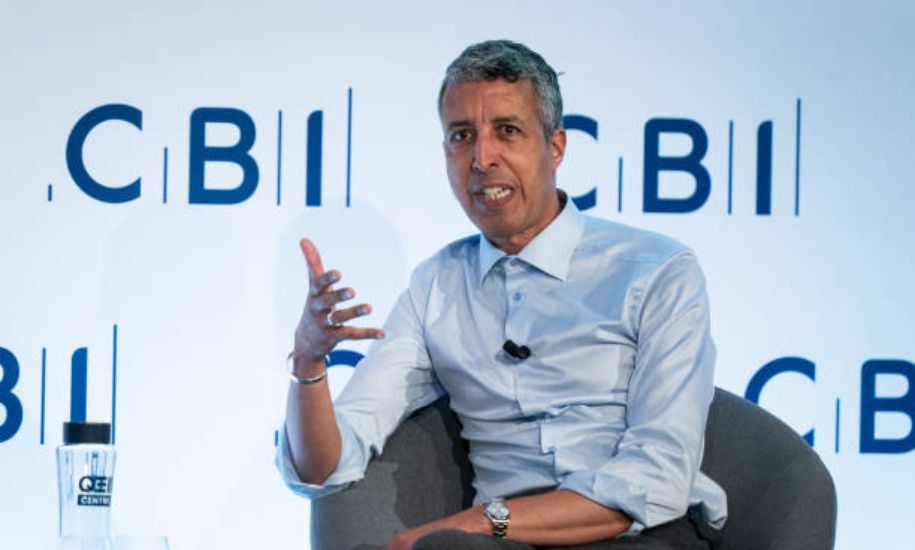
Kamal Ahmed is a senior journalist and former BBC economics editor whose work has shaped economic storytelling in British media. His editorial leadership helped define how financial news is presented to audiences, creating the kind of environment in which commentators like Streeter built their careers.
John Gieve
Sir John Gieve represents the central-bank perspective. As a former Deputy Governor of the Bank of England, his experience highlights the policymaking side of financial stability and regulation. When commentators such as Streeter discuss interest rates or financial crises, they often analyse decisions made by policymakers like Gieve.
Together, these figures illustrate the broader ecosystem of economic communication — from academic research and central banking to journalism and investment strategy.
Media Presence and Public Recognition
Today, Susannah Streeter continues to appear regularly across television, radio, and online media. She provides commentary on subjects such as:
- Inflation trends and interest rates
- Technology stocks and global markets
- Corporate earnings reports
- Consumer finance and savings behaviour
Her ability to communicate clearly during periods of economic uncertainty has strengthened her reputation as a reliable voice in financial journalism.
Unlike purely academic economists, her focus is often practical — explaining how economic news affects everyday people, from mortgage holders to retirement investors.
Why Susannah Streeter Matters in Modern Finance
The modern financial landscape is shaped by rapid information flow, social media, and 24-hour news cycles. Commentators who can interpret data quickly and responsibly play an important role in preventing misinformation and helping audiences make informed decisions.
Streeter’s career shows how journalism and finance are becoming more interconnected. By combining broadcasting skills with strategic market insight, she represents a new generation of financial communicators who move between media and industry roles.
Her influence also reflects a wider trend toward financial education, where commentators aim to empower individuals rather than simply report headlines.
The Role of Financial Journalism Today
Financial journalists like Streeter help bridge the gap between policymakers, economists, and the public. When central banks adjust interest rates or global markets shift, many people rely on commentators to explain what those changes mean for savings, pensions, or investment portfolios.
This role has become increasingly important in an era of economic uncertainty. As inflation, geopolitical tension, and technological disruption reshape markets, audiences seek voices that combine experience with clarity.
Through her broadcasting background and strategic expertise, Susannah Streeter has become one of those voices.
Final Thoughts
From her early career in broadcasting to her leadership role at Hargreaves Lansdown and beyond, Susannah Streeter has built a multifaceted career at the intersection of journalism and finance. Her ability to communicate complex economic ideas in accessible language has earned her recognition among investors, media audiences, and industry professionals alike.
Alongside influential economists and commentators such as DeAnne Julius, Linda Yueh, Kamal Ahmed, and John Gieve, she represents the diverse range of voices shaping how modern audiences understand money, markets, and economic policy.
As financial information becomes more accessible online, platforms like News Flux continue to highlight the work of commentators who help readers navigate global economic developments with clarity and confidence.
